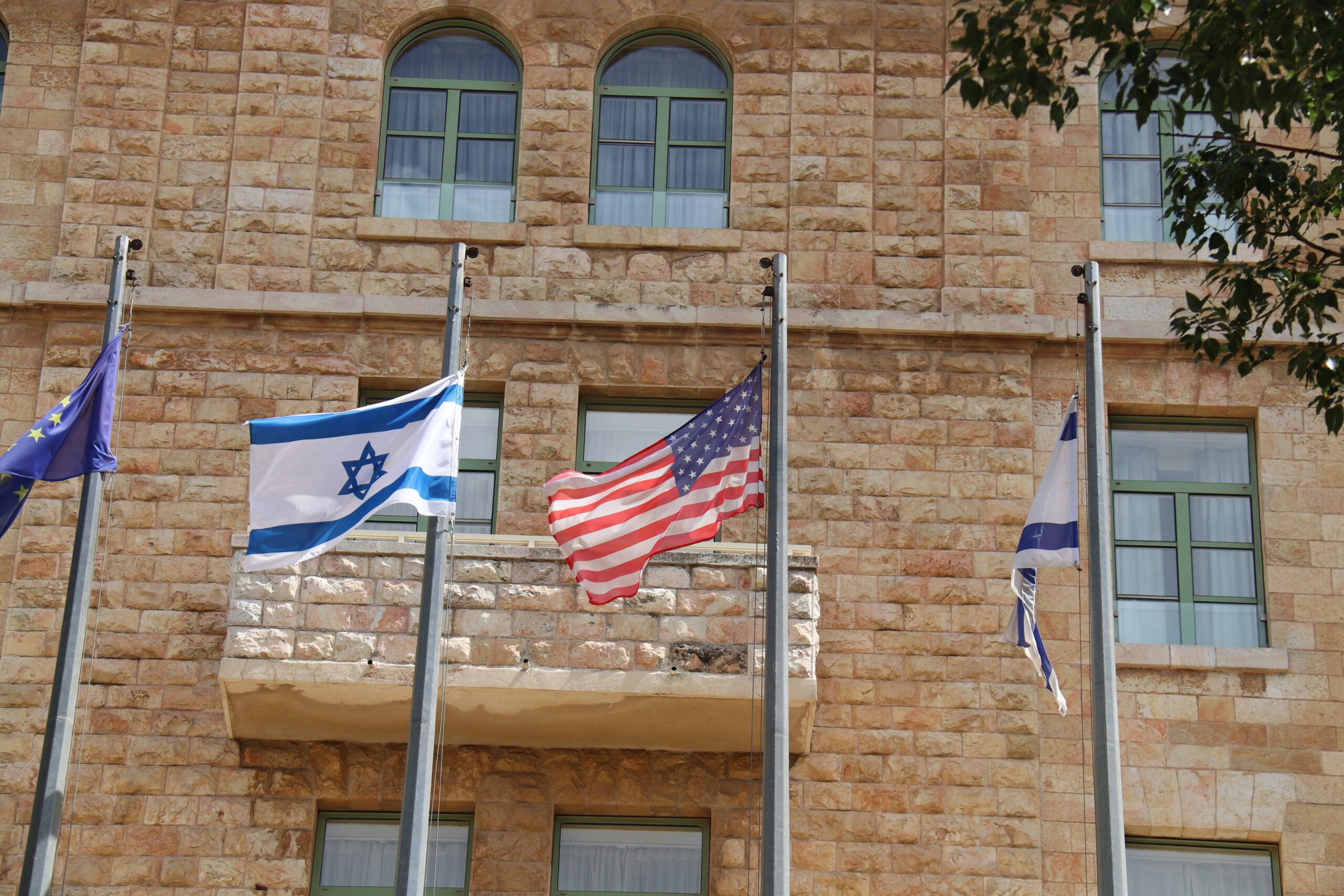
The relationship between Washington and Israel has long been shaped by shared goals, mutual trust, and a commitment to regional stability. Supporting the Washington–Israel relationship means encouraging cooperation in diplomacy, security, innovation, and economic development. This partnership is not only about government ties but also about shared values such as democratic governance, technological progress, and long-term peace efforts in a complex region. Over time, this bond has grown stronger through continuous dialogue and collaboration across many sectors. In today’s global environment, maintaining and strengthening this relationship plays an important role in addressing security challenges, supporting innovation, and promoting stability in the Middle East.
Historical Foundations of Cooperation and Trust
The foundation of the Washington–Israel relationship is rooted in decades of diplomatic engagement and mutual recognition of strategic importance. From the early years of Israel’s establishment, cooperation has grown through consistent political support, cultural exchange, and shared diplomatic objectives. This relationship developed during times of regional tension, where both sides recognized the importance of partnership in maintaining balance and preventing conflict escalation.
Over the years, this cooperation has evolved beyond political recognition into a deeper alliance involving intelligence sharing, defense coordination, and humanitarian support. The historical ties between the two sides reflect a long-term understanding that stability in the Middle East contributes to broader global security. This historical context continues to influence modern policy decisions and reinforces the importance of sustaining strong diplomatic communication.
Strategic Cooperation in a Complex Region
One of the most important aspects of supporting the Washington–Israel relationship is strategic cooperation. The Middle East remains a region with ongoing political and security challenges, making collaboration essential for maintaining peace and stability. Both sides work closely on issues such as counterterrorism, regional defense strategies, and intelligence sharing to address shared threats.
This strategic alignment allows for quicker responses to emerging risks and helps build a coordinated approach to regional security concerns. Military cooperation also plays a role in strengthening defense readiness and ensuring that both sides can respond effectively to threats. Beyond defense, diplomatic coordination helps manage relationships with neighboring countries and supports broader peace efforts in the region.
The importance of strategic cooperation is not limited to security alone. It also contributes to diplomatic negotiations and conflict prevention efforts. By maintaining open communication channels, both sides are better equipped to manage tensions and work toward peaceful solutions in areas of instability.
Economic Growth and Technological Collaboration
Another key pillar of supporting the Washington–Israel relationship is economic and technological cooperation. Israel has developed a strong reputation as a global hub for innovation, particularly in areas such as cybersecurity, medical technology, agriculture, and artificial intelligence. Collaboration with Washington-based institutions and companies has helped expand technological advancement on both sides.
This partnership encourages investment, research collaboration, and startup development. Many joint projects focus on solving global challenges, including energy efficiency, digital security, and healthcare innovation. These efforts not only strengthen economic ties but also contribute to global progress in science and technology.
Trade relations also play a significant role in this partnership. Economic exchange supports job creation, business growth, and shared prosperity. By encouraging open markets and innovation-driven collaboration, both sides benefit from increased competitiveness in the global economy. This economic connection adds another layer of strength to the overall relationship.
Diplomatic Engagement and Regional Stability
Diplomatic engagement remains a central element in supporting the Washington–Israel relationship. Regular communication between leadership teams helps address regional issues, manage conflicts, and support peace initiatives. Diplomacy also plays a role in strengthening relationships with other nations in the Middle East, encouraging dialogue and reducing tensions.
This engagement often focuses on long-term stability rather than short-term solutions. Both sides work together to promote agreements that support peace, security, and cooperation in the region. Diplomatic efforts also extend to humanitarian assistance and development programs that improve conditions in areas affected by conflict.
By maintaining strong diplomatic ties, both partners are able to respond more effectively to international challenges. This includes addressing security concerns, supporting peace negotiations, and encouraging regional cooperation that benefits multiple nations.
Future Outlook for a Strong and Enduring Partnership
The future of the Washington–Israel relationship depends on continued commitment to cooperation, dialogue, and shared goals. As global challenges evolve, this partnership will likely expand into new areas such as climate innovation, digital transformation, and advanced defense technologies. Strengthening this relationship requires ongoing investment in diplomacy, education, and economic collaboration.
Youth engagement, academic partnerships, and cultural exchange programs will also play an important role in shaping the future of this alliance. These connections help build mutual understanding and ensure that future generations continue to value cooperation and shared progress.
Looking ahead, the relationship is expected to remain a key component of regional and global stability. By continuing to support collaboration across multiple sectors, both sides can adapt to changing global dynamics while maintaining a strong and resilient partnership.