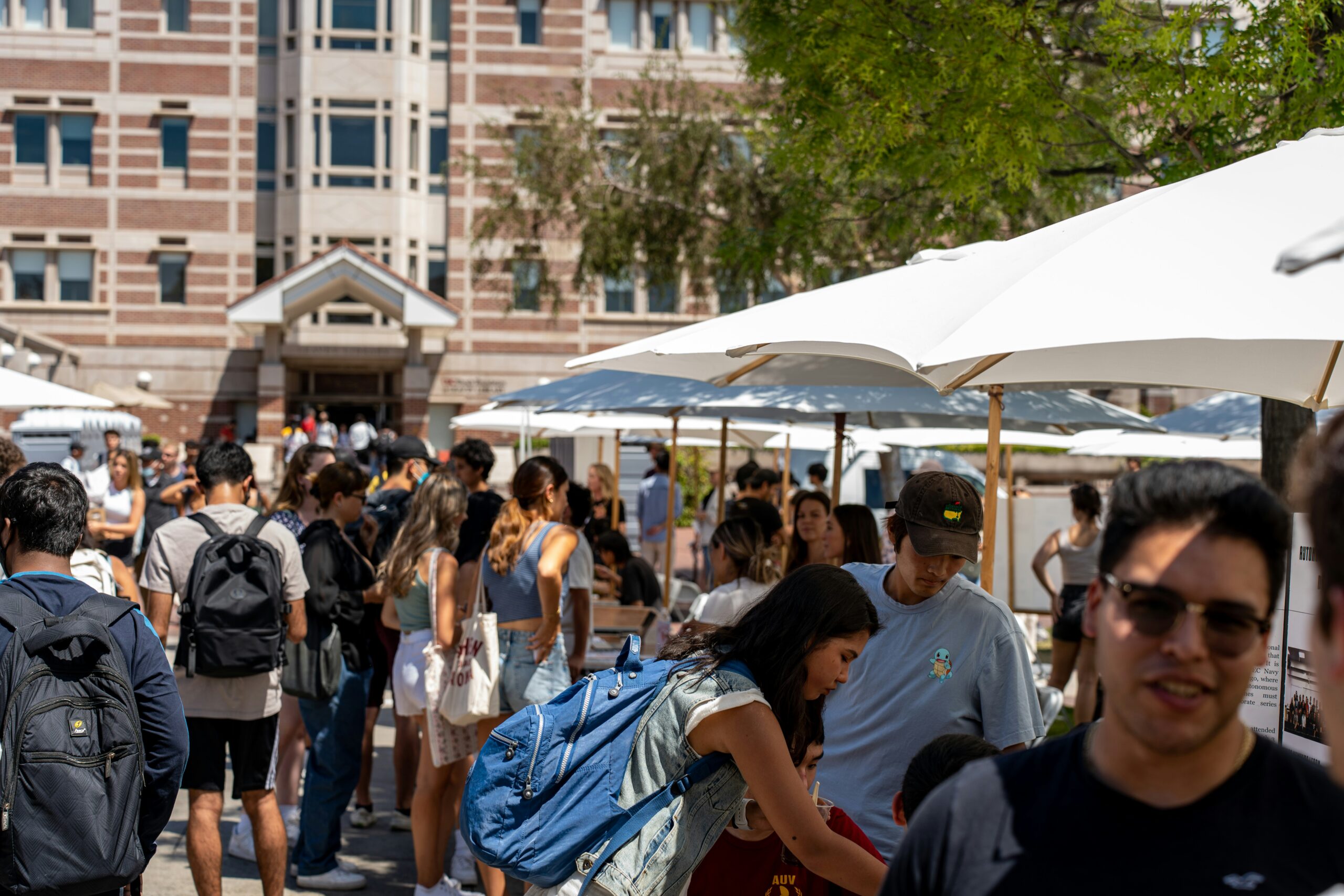
The student support for Israel initiatives highlight the role of students in learning about, discussing, and engaging with topics related to Israel and global affairs. Students at universities and educational institutions often explore international subjects through academic programs, cultural activities, and community events. These opportunities allow students to gain knowledge about history, innovation, traditions, and international connections. Student involvement can encourage meaningful conversations and help create stronger awareness of different perspectives. In academic environments, students are encouraged to research topics carefully, communicate respectfully, and understand complex issues. Support for Israel among students may involve educational events, cultural exchanges, and activities that promote awareness and connection. Through these experiences, students can develop leadership skills, improve their understanding of global relationships, and participate in discussions that shape their communities.
Understanding Student Involvement in Global Issues
Students today are increasingly interested in international topics that affect communities worldwide. Universities provide spaces where young people can explore these subjects through classes, organizations, and public discussions. Student participation helps bring attention to important global conversations. Student support for Israel often focuses on learning and awareness. Many students participate in activities that help them understand Israeli culture, history, technology, and society. These educational experiences allow students to explore information from different sources and develop their own perspectives.
Academic environments encourage students to ask questions and seek knowledge. When students engage with international topics, they improve their ability to analyze information and understand different viewpoints. These skills are valuable in both academic and professional settings. Student involvement also creates opportunities for collaboration. By joining discussions and activities, students can connect with others who share an interest in global learning and cultural understanding.
Creating Learning Opportunities Through Campus Programs
Campus programs provide students with ways to explore topics related to Israel in an educational setting. Student groups, cultural organizations, and academic departments often organize events that encourage learning and discussion. These programs may include lectures, workshops, cultural presentations, and research activities. They give students opportunities to learn about different aspects of Israel while engaging with their peers.
Education plays an important role in helping students understand international relationships. Learning about a country’s history, achievements, and challenges allows students to develop a more complete perspective. Student programs can also introduce participants to areas such as science, entrepreneurship, technology, and social development. These topics help students understand the connections between nations and how cooperation can create progress. The Israel student awareness programs support learning by creating opportunities for students to explore important topics. These programs encourage curiosity and help students become more informed members of their communities.
Encouraging Communication Across Different Perspectives
Open communication is an important part of any educational environment. Universities bring together students with different experiences, beliefs, and backgrounds. This diversity creates opportunities for meaningful conversations. Discussions about Israel can involve many viewpoints and ideas. Students benefit when these conversations take place in respectful environments where people can share thoughts and listen to others.
Learning how to communicate across differences is an important life skill. Students who participate in thoughtful discussions can improve their ability to understand complex issues and work with diverse groups. Respectful dialogue does not mean avoiding difficult topics. Instead, it means approaching conversations with patience, knowledge, and a willingness to learn. These skills help create stronger campus communities. Through discussion and engagement, students can develop better communication habits that support cooperation in many areas of life.
Developing Student Leadership Through Engagement
Student leadership is an important part of campus life. Many students take active roles in organizing events, leading groups, and creating educational opportunities for their peers. Involvement in activities related to Israel can help students develop leadership skills such as organization, teamwork, and public communication. These experiences allow students to practice responsibility while working with others.
Leadership opportunities also help students build confidence. Planning events and supporting educational programs require creativity and commitment. These experiences can prepare students for future roles in their careers and communities. The student Israel leadership development opportunities created through campus engagement can support personal growth. Students can learn how to manage projects, connect with others, and encourage positive participation. Student leaders often become important contributors to campus culture. Their efforts can inspire more students to become involved in educational and community activities.
Building Future Connections Through Student Engagement
Student involvement in international topics can create lasting connections between people and communities. The relationships formed during campus activities often continue beyond graduation. Students who participate in educational programs can carry their experiences into future careers and personal projects. Their knowledge can help them contribute to conversations about international cooperation and cultural understanding.
The skills developed through student engagement are valuable in many areas. Communication, teamwork, research, and leadership abilities can support success in professional environments. Universities play an important role in preparing students to participate in a connected world. By encouraging learning and respectful engagement, educational institutions help students become responsible global citizens. The future of student support for Israel engagement will continue to grow through education, leadership, and community involvement. As students continue exploring global topics and building connections, they can help create stronger understanding and meaningful cooperation between communities.