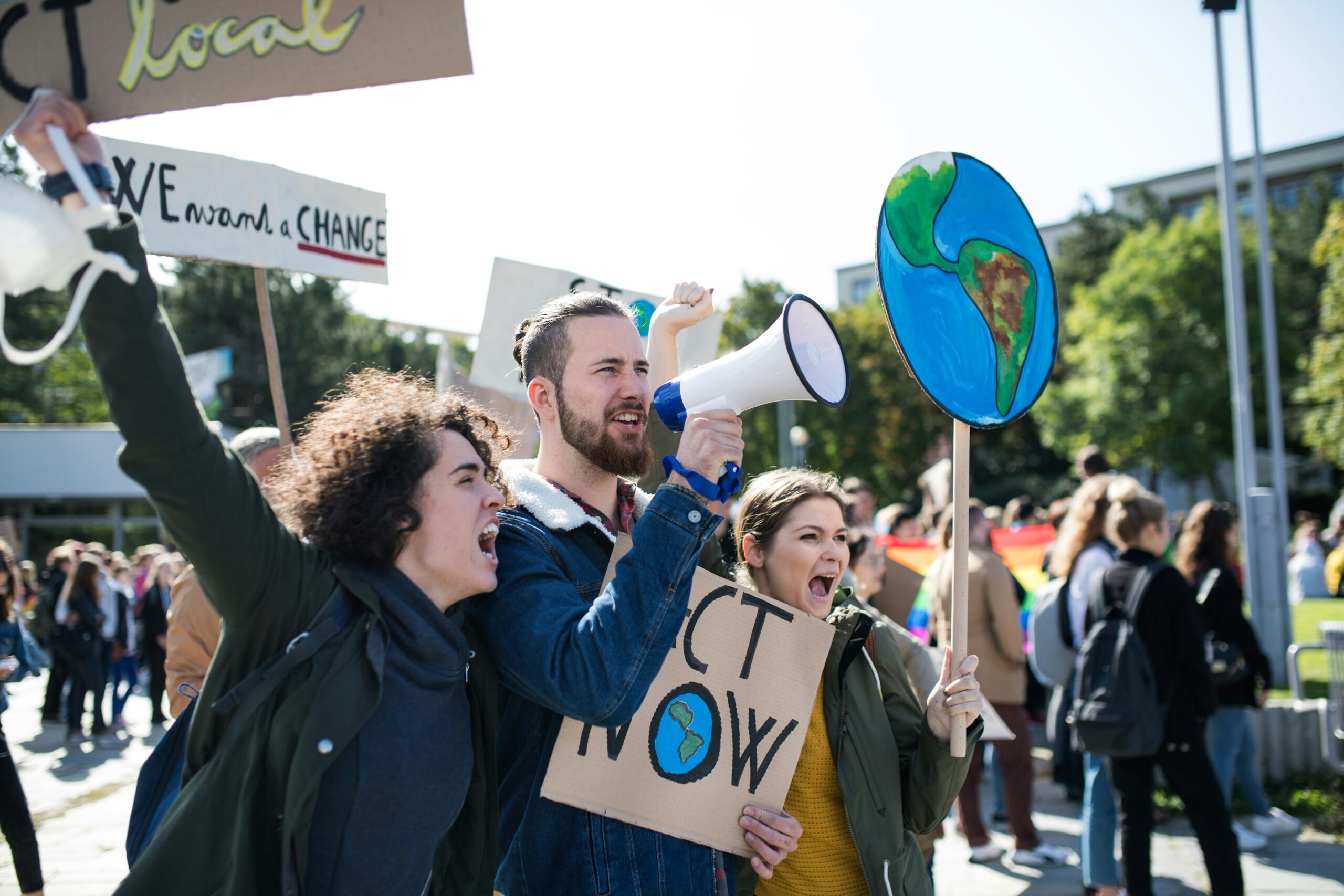
Exploring how young people engage in social causes reveals the growing impact of student involvement in Israel support initiatives across schools and communities. Students often use their skills, creativity, and passion to contribute to awareness programs, cultural activities, and humanitarian efforts.
Through organized events, research projects, and community partnerships, they develop leadership skills while learning about complex global topics. These experiences encourage students to become more informed citizens and create meaningful connections with communities that share similar goals.
Understanding the Role of Campus Support Movements
Campus support movements give students opportunities to learn, communicate, and discuss important international issues. Universities often create spaces where students can explore different perspectives through lectures, cultural events, and academic conversations. These activities help young people understand the historical, social, and cultural factors connected to Israel support initiatives while promoting respectful dialogue.
Additionally, campus organizations allow students to build networks with peers who share similar interests. These groups often organize educational sessions, community gatherings, and awareness campaigns that encourage active participation. As a result, students gain practical experience in planning events, managing projects, and developing communication skills that can benefit their future careers.
Building Awareness Through Educational Programs
Educational programs play an important role in helping students understand global issues more deeply and accurately. Workshops, seminars, and classroom discussions allow participants to explore different viewpoints while developing critical thinking abilities. These programs also encourage students to research topics carefully and engage with reliable information sources.
Moreover, universities can support learning by inviting experts, community leaders, and researchers to share knowledge. These interactions provide students with broader perspectives and help them understand the importance of responsible engagement. As a result, these opportunities become a foundation for thoughtful participation and informed decision-making.
Encouraging Student-Led Community Projects
Student-led community projects create valuable opportunities for young people to transform ideas into action. These projects may include cultural exchanges, fundraising activities, volunteer efforts, and awareness campaigns. Through these experiences, students learn how teamwork and organization can create positive results within local and global communities.
Community projects also help students develop leadership and problem-solving skills. They learn how to coordinate with different groups, manage resources, and communicate effectively. As a result, these experiences prepare students for future roles in social organizations, professional environments, and community leadership positions.
Creating Positive Connections Through Cultural Exchange
Cultural exchange activities help students discover shared values and build a deeper understanding across communities. Events that highlight unique tradition, history, art, and personal stories can create meaningful conversations among participants. These experiences encourage respect and curiosity while reducing misunderstandings.
Additionally, cultural programs provide students with opportunities to collaborate beyond academic settings. Through exhibitions, discussions, and collaborative events, students can build relationships with people from different backgrounds. As a result, cultural exchange becomes an effective way to promote cooperation and mutual learning.
Developing Leadership Skills Through Advocacy
Advocacy programs help students strengthen their ability to express ideas, organize activities, and encourage meaningful conversations. By participating in these programs, students learn how to present information clearly and respectfully. They also develop confidence when communicating with different audiences.
Leadership opportunities also help students understand the responsibilities of public engagement. They learn that effective advocacy requires research, empathy, and careful communication. As a result, student leaders can build stronger connections between educational communities and broader social networks.
Using Digital Platforms for Student Engagement
Digital platforms have changed how students participate in modern support initiatives. Social media, online forums, and digital campaigns allow students to share information, connect with organizations, and reach wider audiences. These tools make it easier for young people to participate in conversations beyond their university environments.
However, responsible digital engagement remains important because online information can vary in quality. Students should verify sources, communicate respectfully, and avoid spreading inaccurate content. Therefore, digital awareness and media literacy become essential skills for effective online participation.
Supporting Research and Academic Collaboration
Academic research allows students to examine complex issues through evidence-based learning. Universities encourage students to explore topics through essays, projects, and collaborative studies. These activities help students develop analytical skills while contributing valuable perspectives to academic discussions.
Additionally, research collaborations connect students with professors, organizations, and other institutions. These partnerships can create opportunities for deeper learning and innovation. As a result, academic involvement helps students see how knowledge can support meaningful social progress.
Preparing Future Generations for Responsible Engagement
Future leaders need strong awareness, communication skills, and the ability to work with diverse communities. Student participation in social initiatives helps develop these qualities early on. Through volunteering, education, and teamwork, students learn how their actions can influence positive change.
Moreover, responsible engagement teaches students the value of patience, respect, and cooperation. Complex global issues often require thoughtful solutions rather than quick reactions. As a result, students who develop these qualities are better prepared to contribute positively to society in the future.
The Lasting Impact of Student Support Initiatives
Student support initiatives create significant benefits by encouraging learning, collaboration, and community involvement. When students participate in meaningful activities, they gain experiences that shape their personal growth. These initiatives also strengthen connections between universities and wider communities.
Furthermore, continued participation can inspire future students to become active contributors. Universities that encourage thoughtful engagement create environments where young people feel motivated to make a difference. These efforts demonstrate how education and community action can work together to build stronger relationships and shared understanding.