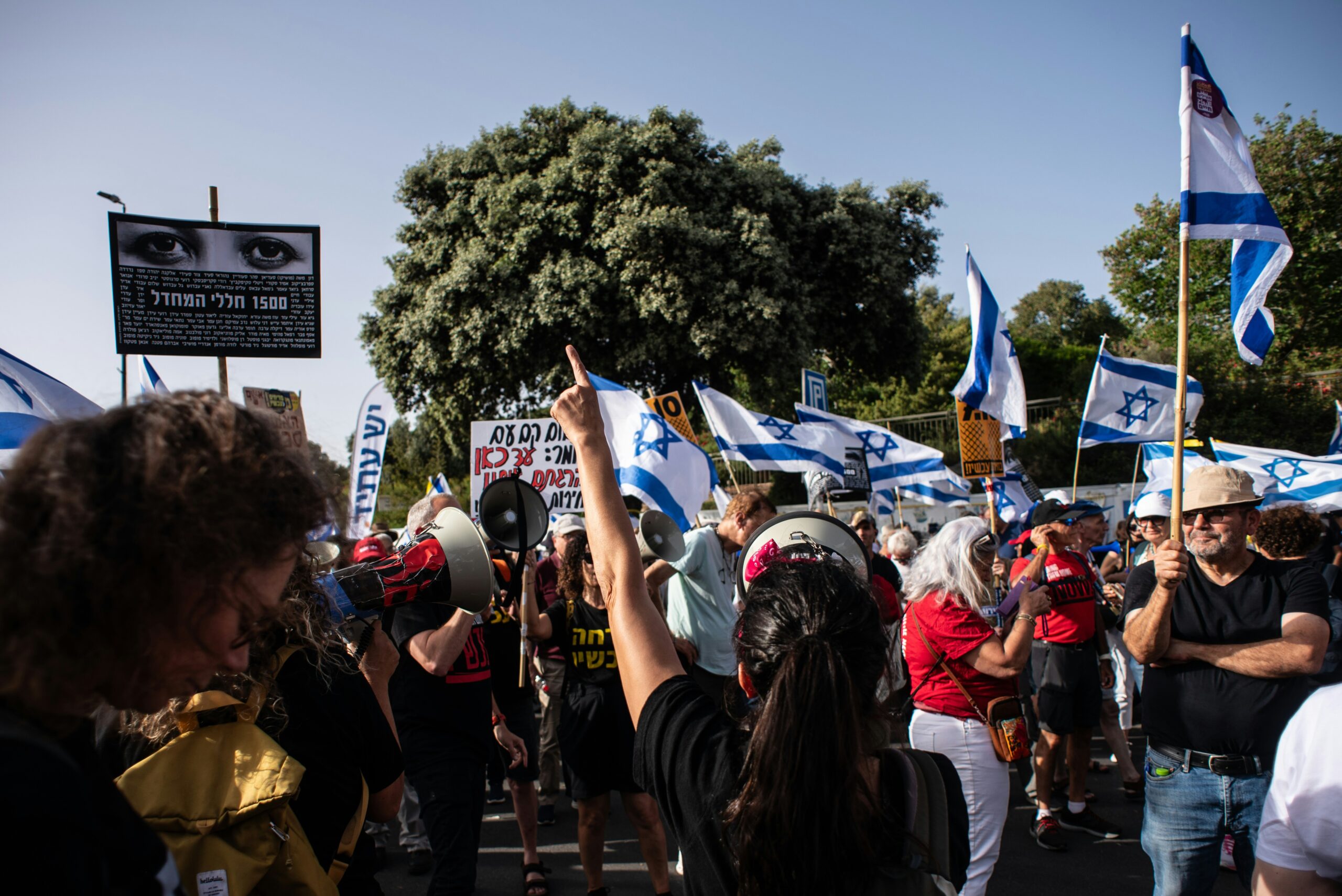
College campuses have always been places where ideas clash and movements grow. In recent years, student support for Israel has become more visible across the United States. Students gather in public spaces, hold signs, and speak at open forums. They write articles for campus newspapers and host events focused on Israel’s history and politics. Their presence has added a new layer to campus debate.
This rise in activism did not happen overnight. Many students report a strong connection to Israel through family, faith, or personal study. Others support Israel because they view it as a democratic ally in a complex region. When global events unfold, these students respond quickly. They organize discussions and encourage peers to learn more before forming opinions.
What Motivates Students to Speak Out
Students who support Israel often point to values such as democracy, freedom of speech, and equal rights. They believe Israel shares many of these principles. Some feel that public conversations leave out key facts about Israel’s security concerns and regional threats. They step forward to add context to the discussion.
Personal identity also plays a role. For many Jewish students, Israel is tied to heritage and culture. Support can feel deeply personal rather than abstract or political. At the same time, not all pro-Israel students are Jewish. Some are driven by academic interest in international relations or by friendships formed through travel and exchange programs.
Protests and Public Demonstrations
Public demonstrations are one of the most visible forms of support. Students gather in central campus areas to show solidarity with Israel. They hold peaceful rallies and invite speakers to share personal stories or policy insights. These events often adhere to campus regulations to ensure safety and order.
Students view these gatherings as a means of demonstrating that they are not alone. A rally can convey that many voices share similar views. Organizers focus on clear messages and a respectful tone. They want their events to reflect strength without hostility.
Advocacy Beyond the Rally
Support for Israel does not end with public events. Many students work behind the scenes to engage with campus leaders. They meet with administrators to discuss concerns about campus climate. They ask for clear policies that protect all students from harassment.
Some students join advisory boards or student government groups. In these roles, they push for balanced programming and fair treatment of all viewpoints. This type of advocacy requires patience and persistence. It also demands careful listening to others, even when disagreements run deep.
The Role of Education and Dialogue
Education is central to many campus movements. Students who support Israel often host lectures and panel discussions. They invite historians, legal scholars, and regional experts to speak. These events aim to move the conversation beyond slogans and into careful analysis.
Dialogue also plays a key role. Some student groups organize small discussion circles in which participants can share their views openly. These sessions encourage active listening. Students learn to ask questions and respond with facts rather than emotion. Even when no one changes their mind, the process builds understanding.
Social Media and Digital Engagement
Online platforms shape modern campus movements. Students use social media to share articles, event details, and personal reflections. A single post can reach hundreds or thousands of peers within minutes. This speed helps groups respond quickly to breaking news.
However, digital spaces can fuel tension. Misinformation spreads easily. Strong emotions can drive heated exchanges. Many pro-Israel groups encourage members to verify facts before posting. They stress respectful language and thoughtful responses. This approach helps protect credibility and fosters constructive engagement.
Campus Climate and Student Safety
Discussions about Israel can become intense. In some cases, students report feeling isolated or targeted because of their views. Pro-Israel groups often raise these concerns with campus officials. They seek reassurance that universities will enforce anti-harassment rules.
Universities face a delicate balance. They must protect free speech while also ensuring student safety. Clear communication from administrators can ease tension. When schools restate their commitment to inclusion, students often feel more secure in expressing their beliefs.
Interfaith and Cross-Campus Cooperation
Not all efforts focus on debate. Some pro-Israel students build bridges with other campus groups. They host joint cultural events or service projects. These collaborations shift the focus from conflict to shared goals.
Interfaith programs can be especially powerful. Students from different religious backgrounds come together to discuss common values such as peace and respect. These events do not erase disagreement. Instead, they create space for civil interaction and reduce the risk of division.
The Impact on Academic Life
Student support for Israel also influences classroom conversations. Professors may see more engagement when topics related to the Middle East arise. Students ask detailed questions and bring outside research into discussions. This energy can enrich academic life.
Universities sometimes respond by expanding course offerings or hosting larger conferences. Increased interest can lead to a deeper study of history, politics, and international law. In this way, student activism can shape academic priorities over time.
Leadership Development Through Activism
Organizing events and managing groups requires skill. Students learn how to plan schedules, manage budgets, and coordinate volunteers. They practice public speaking and learn how to respond to criticism calmly. These lessons extend far beyond the specific issue of Israel.
Leadership development is one of the lasting benefits of campus activism. Students who participate often become more confident and capable. They learn to navigate complex systems and work with people who hold different views. These skills prepare them for careers in many fields.
Looking Ahead
Campus movements change with each new class of students. Yet the pattern of engagement remains strong. Student support for Israel will likely continue to shape campus debate as long as global events capture attention. New leaders will step forward, bringing fresh ideas and energy.
The future may hold more structured dialogue and collaborative programs. Students seem increasingly aware that shouting past one another leads nowhere. Many now seek ways to combine firm belief with open conversation. Through protests, advocacy, and dialogue, campus movements continue to reflect students’ deep connection to global issues and to one another.