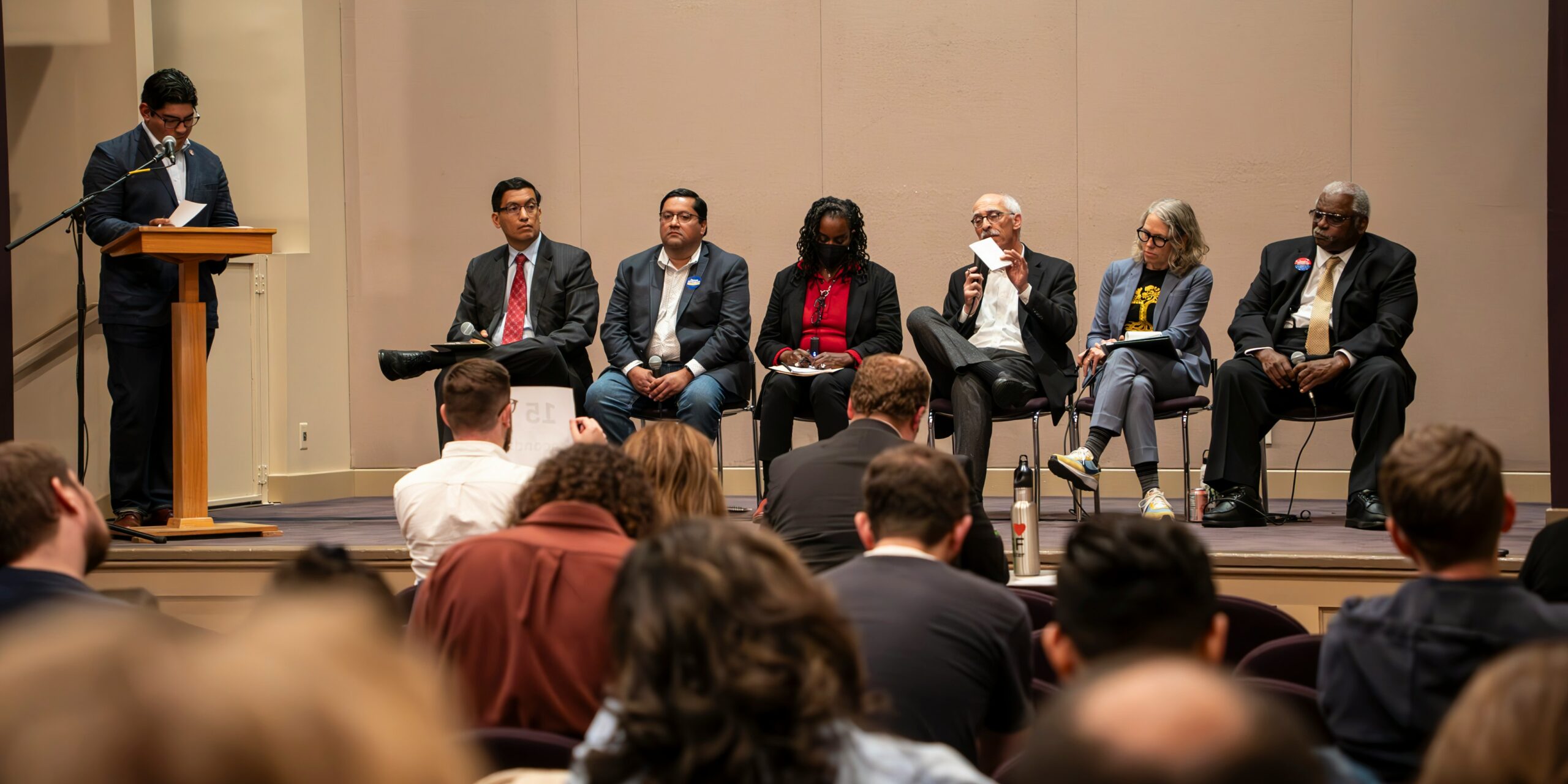
The ICC Geller International Fellowship allows undergraduate students to combine leadership development, structured learning, and international experience. Israel on Campus Coalition describes the program as a six-month cohort experience for 40 selected students from colleges and universities across the United States. Fellows study the U.S.-Israel relationship and the Abraham Accords before completing an educational trip to Israel and the United Arab Emirates.
The fellowship places students in settings where they can examine international issues, exchange ideas, and develop relationships with peers. Rather than limiting learning to lectures or textbooks, the program connects classroom-style discussion with direct exposure to people, institutions, and communities. This structure can help students develop a more detailed understanding of leadership while learning how global relationships take shape in practice.
Leadership Begins With Active Participation
Leadership develops when students take responsibility for learning and participate in challenging conversations. The Geller International Fellowship encourages this process through virtual sessions, required readings, orientation activities, and discussions with experts. According to ICC, applicants must already demonstrate civic engagement and leadership on campus or in their communities. The program then gives selected students additional opportunities to develop those abilities.
Students can strengthen leadership skills by listening carefully, asking useful questions, and explaining their ideas clearly. They also interact with peers who may bring different academic interests and personal experiences to each conversation. These exchanges can teach students that leadership does not simply mean speaking first. Effective leaders also need patience, preparation, curiosity, and the ability to understand how others approach complex subjects.
Learning Extends Beyond the College Classroom
College courses provide important academic foundations, but international programs can add another layer of learning. The fellowship includes discussions about culture, economics, security, climate, and civil rights. These subjects connect political relationships with the everyday forces that shape communities and institutions. They also encourage fellows to consider international affairs from several perspectives instead of viewing them through one narrow subject area.
This approach can make abstract ideas easier to understand. A discussion about regional cooperation, for example, becomes more meaningful when students can examine how governments, businesses, community organizations, and individuals interact. Fellows can compare what they studied before traveling with what they observe during the program. That process encourages reflection and gives students practice separating assumptions from information they encounter directly.
International Travel Adds Practical Context
A major part of the fellowship is its international component. ICC states that the program culminates in a 10-day mission to Israel and the United Arab Emirates. The trip focuses on areas that include culture, security, economics, climate, and civil rights. This experience allows students to connect months of preparation with observations made while visiting two countries that have developed formal relations under the Abraham Accords.
Travel can also show students how much local context matters. Policies discussed from an American campus may look different when students meet people who live with their effects. Direct experience does not automatically answer every political or social question. However, it can encourage students to ask more informed questions. It may also help them recognize that countries contain diverse communities, opinions, professions, and experiences that cannot be reduced to a single story.
Cross-Cultural Connections Encourage Better Communication
Global connections depend on the ability to communicate across differences. Fellowship participants meet other students and encounter professionals, speakers, and communities during the educational process. A Florida State University profile of a 2025-2026 fellow described the program as bringing collegiate student leaders together while deepening their understanding of the U.S.-Israel relationship and the Abraham Accords through expert sessions, discussions, and travel.
These interactions can help students practice respectful communication in situations where people may not share the same background. Cross-cultural conversations require participants to listen for meaning, avoid quick assumptions, and consider why another person sees an issue differently. Those habits have value far beyond international relations. Students can apply them in classrooms, workplaces, community groups, and future leadership positions where cooperation often depends on clear and thoughtful communication.
A Cohort Creates a Strong Learning Community
The fellowship’s cohort model also shapes the experience. With 40 students selected for the program, participants spend several months learning alongside the same group. That structure can turn individual learning into a shared process. Students can challenge one another’s ideas, discuss questions after formal sessions, and compare what they notice during international travel.
A strong peer network can continue to matter after the program ends. Students from different universities may stay connected, exchange professional advice, or collaborate on future projects. These relationships can also expose fellows to career paths and academic fields they had not previously considered. The value of a fellowship therefore may come not only from scheduled programming but also from the relationships built through repeated conversations and shared experiences.
Reflection Turns Experience Into Personal Growth
International experiences can move quickly, so reflection plays an important role in turning events into useful lessons. Fellows can consider how their views changed, which conversations challenged them, and what leadership habits they want to strengthen. Comparing expectations with actual experiences can reveal gaps in knowledge and encourage students to continue learning after the formal program concludes.
Reflection also helps students communicate what they learned without oversimplifying complicated issues. Instead of returning to campus with a few memorable impressions, participants can examine the wider context behind their experiences. That skill matters when discussing international affairs, where history, identity, policy, economics, and personal experience often overlap. Thoughtful reflection can therefore make students more careful speakers, listeners, and campus leaders.
Connections Can Continue After the Fellowship
Completion of the program does not necessarily end a fellow’s connection with ICC. According to the organization, graduates join its Senior Fellows network, which offers professional development, networking opportunities, connections with peers, and access to mentors. This continuing network gives former participants a way to maintain relationships while moving into later stages of college, graduate study, careers, or community involvement.
The ICC Geller International Fellowship ultimately combines several forms of development in one experience. Students study complex issues, practice leadership, travel internationally, and build relationships with people they might not otherwise meet. Participants will naturally interpret those experiences in different ways. Still, the fellowship’s structure shows how sustained study, direct exposure, conversation, and long-term networking can work together to expand a student’s understanding of leadership and global engagement.