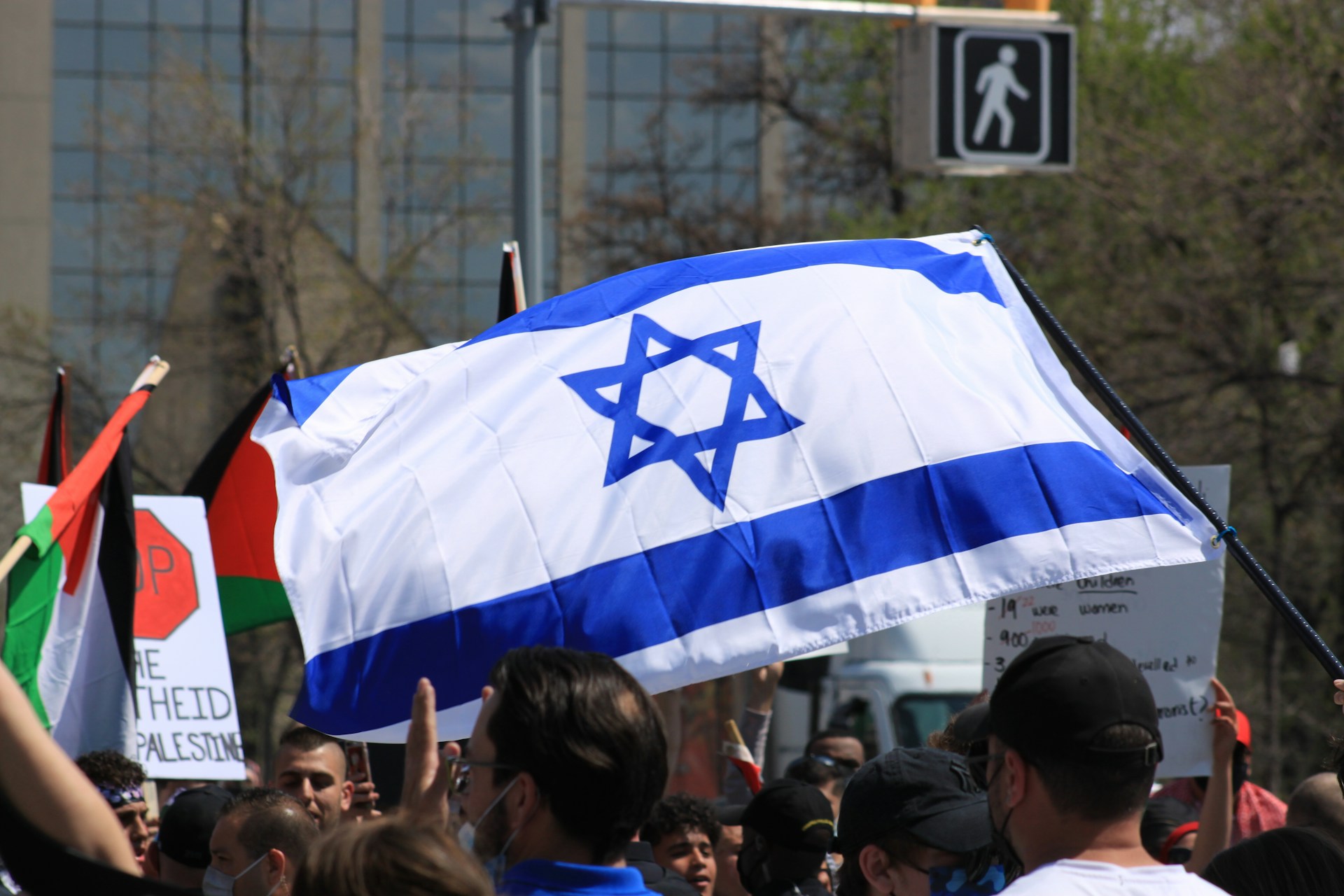
Pro-Israel activism continues to grow as people seek to support Israel’s right to exist, defend itself, and thrive. Many individuals today engage in grassroots Israel advocacy to raise awareness, share accurate information, and build meaningful dialogue. As global conversations shift, activists play a key role in shaping public opinion and promoting balanced understanding. Therefore, learning about this movement can help people engage more thoughtfully and effectively.
Understanding the Roots of Pro-Israel Activism
Pro-Israel activism has deep historical and cultural roots that connect to Jewish identity, global politics, and human rights discussions. Over time, supporters have worked to highlight Israel’s democratic values, innovation, and security challenges. At the same time, activism often responds to misinformation or biased narratives circulating in the media and public discourse.
In addition, many activists focus on education rather than confrontation. They organize events, share resources, and encourage open conversations. Because of this approach, they aim to create a more informed public. As a result, their efforts often bridge gaps between communities and reduce misunderstandings.
Why Pro-Israel Advocacy Matters Today
Today’s digital world spreads information quickly, but it also allows misinformation to grow. Therefore, pro-Israel activism plays a vital role in presenting facts and context. Activists often address complex issues such as regional conflicts, peace efforts, and Israel’s role in global innovation.
Moreover, advocacy helps ensure that diverse voices are heard. Supporters highlight stories about coexistence, technological progress, and humanitarian efforts within Israel. At the same time, they challenge oversimplified narratives. Because of these efforts, audiences can gain a more balanced view of the region.
Key Strategies Used by Activists
Pro-Israel activists use several strategies to engage with the public and promote understanding. First, education remains a core focus. Many organizations host workshops, webinars, and campus events to provide historical and political context. These initiatives help participants form their own informed opinions.
Second, social media plays a major role. Activists share content, respond to trending topics, and connect with global audiences. However, they must also navigate challenges such as online harassment and misinformation. Therefore, effective communication skills are essential in this space.
Finally, community building strengthens the movement. Activists often collaborate with local groups, faith communities, and student organizations. Through these partnerships, they create supportive networks that amplify their message and encourage long-term engagement.
The Role of Youth and Campus Engagement
Young people play a powerful role in shaping the future of pro-Israel activism. On college campuses, students often lead discussions, organize events, and participate in debates. Because universities are hubs for diverse opinions, they provide a unique space for meaningful dialogue.
At the same time, student activists face challenges such as peer pressure and political tension. Therefore, many rely on mentorship and training programs to build confidence. These programs teach skills like public speaking, fact-checking, and respectful debate. As a result, young advocates become more effective and resilient.
In the middle of these efforts, many groups promote campus dialogue initiatives to encourage respectful conversations between students with different perspectives. These programs focus on listening as much as speaking, which helps reduce conflict and build understanding.
Addressing Criticism and Encouraging Dialogue
Pro-Israel activism often takes place within complex, emotional debates. Therefore, activists must learn how to address criticism constructively. Instead of reacting defensively, many choose to engage in thoughtful discussions. This approach allows them to present their views while also respecting others.
Moreover, dialogue plays a key role in reducing polarization. Activists who prioritize empathy and understanding can create more productive conversations. They often focus on shared values, such as peace, security, and human rights. Because of this, they can connect with broader audiences and foster mutual respect.
The Impact of Media and Technology
Media and technology shape how people understand global issues, including those related to Israel. Social media platforms, news outlets, and online forums all influence public perception. Therefore, pro-Israel activists must stay informed and adapt to changing communication trends.
For example, visual content such as videos and infographics can make complex topics easier to understand. Additionally, storytelling helps humanize issues and create emotional connections. Because of these tools, activists can reach wider audiences and communicate more effectively.
However, the fast pace of digital media also requires careful fact-checking. Misinformation can spread quickly, so activists must verify sources before sharing content. This responsibility highlights the importance of accuracy and credibility in advocacy work.
Building Bridges Across Communities
Pro-Israel activism often focuses on building relationships across different communities. Activists work with interfaith groups, cultural organizations, and local leaders to promote understanding. These partnerships create opportunities for collaboration and shared learning.
In addition, community events such as cultural festivals, educational seminars, and panel discussions bring people together. These gatherings encourage open conversations and help break down stereotypes. As a result, they foster stronger connections and mutual respect.
Furthermore, activists who engage with diverse groups can better understand different perspectives. This awareness allows them to communicate more effectively and address concerns with sensitivity. Therefore, bridge-building remains a key element of successful advocacy.
Challenges Facing Pro-Israel Activists
Despite its growth, pro-Israel activism faces several challenges. One major issue involves misinformation and biased reporting. Activists must constantly work to correct false narratives and provide accurate information. This task can be time-consuming and emotionally demanding.
Another challenge involves navigating political polarization. Discussions about Israel often become highly charged, which can make constructive dialogue difficult. Therefore, activists must develop strong communication skills and emotional resilience.
Additionally, safety concerns can arise, especially in online spaces. Activists may face harassment or threats, which can discourage participation. However, many organizations provide support and resources to help individuals stay safe and continue their work.
The Future of Pro-Israel Advocacy
In conclusion, pro-Israel activism offers individuals a way to engage with global issues and foster meaningful conversations. Through education, dialogue, and community building, activists contribute to a more informed and connected world. Ultimately, the movement continues to grow as people embrace global peace advocacy efforts and work toward mutual understanding.
Looking ahead, pro-Israel activism will likely continue to evolve as global dynamics change. Technology will play an even larger role in shaping communication strategies. At the same time, younger generations will bring new ideas and perspectives to the movement.